

Table of Contents
- Quick Comparison: Best Meditation Cushions for Beginners in 2026
- How to Choose the Best Meditation Cushion for Beginners
- Meditation Cushion Height Guide: Finding Your Ideal Seat
- Zafu vs Zabuton for Beginners: Which Shape Works Best?
- How to Sit for Meditation: Posture Tips for Long Sessions
- Sustainable Materials and Maintenance for Longevity
- Conclusion: Start Your Practice with the Right Support
- Frequently Asked Questions
Last Updated: September 13, 2026
Quick Comparison: Best Meditation Cushions for Beginners in 2026
A meditation cushion is a firm, elevated seat designed to tilt the pelvis forward and keep the spine naturally upright during sitting practice. Choosing the wrong height or firmness is the most common reason beginners quit within weeks, because hip and knee pain shows up before the mind ever settles.
This guide from Kusha Cushions breaks down height, shape, filling, and posture so you can pick a seat that supports a daily habit instead of fighting it. Below, you'll find a side-by-side comparison and the specific criteria that matter most.
| Cushion | Price | Height | Filling | Best For |
|---|---|---|---|---|
| The Cloud | $250.00 | 3" seat + 2" base | Memory foam composite | Travel and on-the-go practice |
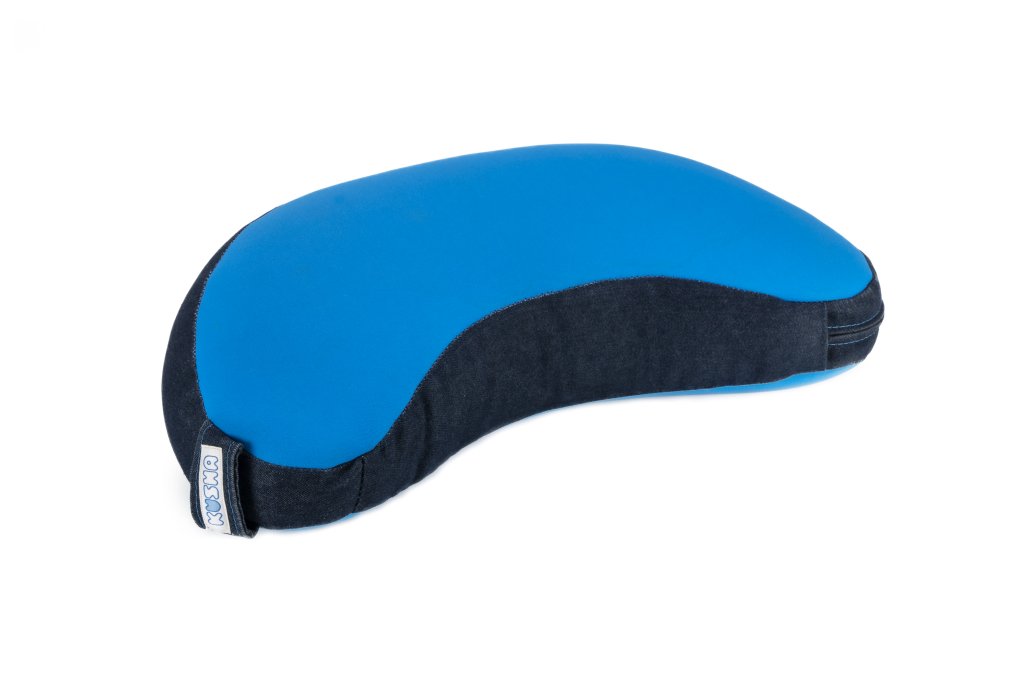
| Earth Moon bundle | $135.00 | 5" Moon + 2" Earth | Buckwheat hulls + foam | Cross-legged and wider postures |
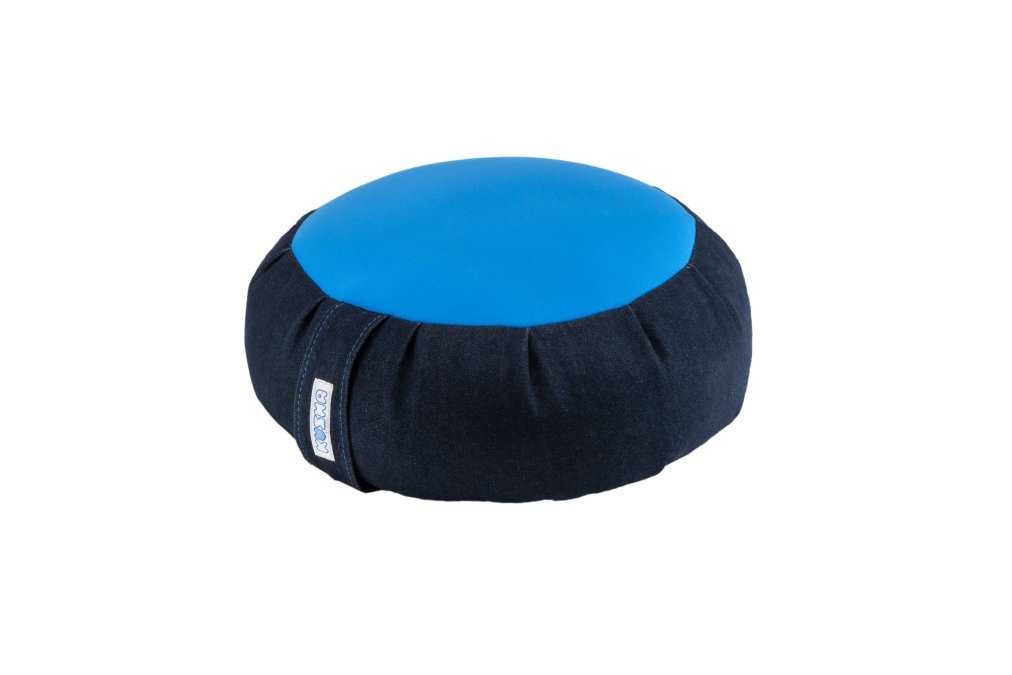
| Earth | $80.00 | 2" | High-resiliency foam | Knees, ankles, base support |
| Moon | $70.00 | 5" | Buckwheat hulls | Hip and thigh elevation |
How to Choose the Best Meditation Cushion for Beginners
Start with height and firmness, not color or brand. A cushion that is too low lets the pelvis roll backward; one that is too tall strains the hips. But height alone won't save you if the filling is wrong for how you sit. Work through the criteria below in order, because each one narrows the field before the next one matters.

Step 1: Measure your hip flexibility, not your height
Hip flexibility drives cushion height far more than overall body size. A tall person with open hips may need less lift than a shorter person with tight hips.
A practical test: sit on a firm floor with legs crossed. If your knees float well above your hips, you need more height. If your knees sit at or below hip level, a lower cushion works. A common pattern is that beginners overestimate their flexibility and buy a cushion that is 1-2 inches too low, then blame their back (Effects on sitting pressure distribution during the application of different cushions and...).
Step 2: Choose a filling that matches your sitting style
The filling decides how the cushion behaves over a 20- or 30-minute sit, not just how it feels in the store.
- Buckwheat hulls: mold to your sitting bones, hold their shape, and stay firm. Best for cross-legged and wide-knee postures. Heavier to carry and rustle slightly when you shift.
- Kapok: a plant fiber that feels softer than buckwheat but still holds loft. Lighter to carry, but it compresses faster and needs fluffing. Good for restorative or shorter sits.
- Cotton or wool batting: plush and quiet, but it packs down within months under daily use. Best as a top layer, not a primary filling.
- High-resiliency foam: consistent height and no noise, but it eventually loses loft and cannot be re-stuffed the way a hull-filled cushion can.
- Memory foam composite: conforms to pressure points and travels well.
If you sit daily, hulls or a hull-and-foam pairing usually outlast a foam-only cushion. If you travel or practice at a studio, weight and packability may outweigh longevity.
Step 3: Match shape to posture
- Round zafu: the default for cross-legged sitting. Lifts the hips and tilts the pelvis forward.
- Crescent: supports the thighs and relieves pressure on the knees, which helps if you sit with wider knees or have knee sensitivity.
- Rectangular zabuton: a flat base that cushions shins, ankles, and knees under any raised seat.
- Wedge or slant: tilts the pelvis for kneeling or seiza postures, or for chair sitting when you want a forward tilt.
Step 4: Check the cover and construction
A removable, washable cover matters more than most beginners expect. Look for a tightly stitched seam, a hidden zipper rather than an exposed one, and a handle that is bar-tacked rather than sewn with a single line of thread. These are the three failure points that end a cushion's life early.
Step 5: Confirm the return policy before you buy
No online guide can predict how a cushion feels under your specific hips. A 30-day return window or a trial period is worth more than any spec sheet, because the only real test is sitting on it for a week.
A quick diagnostic by body type
| If you are... | Start with... | Because... |
|---|---|---|
| Tall with tight hips | 5" hull-filled zafu plus a 2" base | You need lift and knee support |
| Average height, average flexibility | 3-4" hull or kapok zafu | Balances tilt and stability |
| Short with open hips | 2-3" cushion or a folded blanket | Prevents over-elevation |
| Prone to knee or ankle pain | Crescent cushion plus a zabuton | Removes pressure at contact points |
| Sitting in a chair | Wedge or slant cushion | Tilts the pelvis without floor sitting |
This diagnostic approach is the part most beginner guides skip. They list products; the goal here is to match a cushion to your body first, then pick the product that fits.
Meditation Cushion Height Guide: Finding Your Ideal Seat
The right height is the one that lets your pelvis tilt slightly forward and your spine stack without muscular effort. Most beginners land between 3 and 5 inches of lift, but hip flexibility changes that number (pubmed.ncbi.nlm.nih.gov).
Use this guide:
| Your Situation | Recommended Height | Why |
|---|---|---|
| Tight hips, knees above hips | 5" or higher | Raises pelvis to relieve hip strain |
| Average flexibility | 3-4" | Balances tilt and stability |
| Very flexible, knees below hips | 2-3" | Prevents over-elevation |
| Knee or ankle discomfort | Add a 2" base | Cushions contact points |
A base cushion like the Earth, at 2 inches high and 28" x 28", spreads weight across knees and ankles so pressure points stop competing with your focus.

Zafu vs Zabuton for Beginners: Which Shape Works Best?
A zafu is a round, elevated cushion that lifts the hips; a zabuton is a flat rectangular mat that cushions the legs and ankles underneath. Most beginners get the best result from pairing the two rather than choosing one.
The zafu handles pelvic tilt and spinal alignment. The zabuton handles the floor itself, softening the contact where knees, shins, and ankles meet a hard surface. Skip the zabuton and long sessions often end with numb feet (Checking your browser).
Kusha Cushions approaches this differently with the Earth Moon bundle, which pairs a 2-inch Earth base with a crescent-shaped Moon cushion. The Moon's buckwheat hulls mold to your body and support the hips and thighs, while the Earth base protects the knees and ankles. Together they cost $135.00.

How to Sit for Meditation: Posture Tips for Long Sessions
Good posture starts at the sitting bones, not the shoulders. Sit toward the front third of the cushion so your pelvis tilts forward and your spine stacks naturally.
Then work through these checkpoints:
- Sitting bones: feel both evenly planted, weight centered
- Pelvis: slight forward tilt, never tucked under
- Spine: tall and upright, natural curves intact
- Shoulders: relaxed, rolled back and down
- Chin: slightly tucked, gaze soft
- Hands: resting on knees or in the lap
- Breath: slow and even, no forcing
That checklist gets you seated. What it doesn't do is tell you what to change when something starts to hurt ten minutes in. That is where most beginners quit, and it is the part most guides leave out.
Troubleshooting by pain pattern
Most beginners hit one of four patterns. Each one points to a specific fix, and none of them require more willpower.
- Lower back aches after 10-15 minutes. The cushion is usually too low or too soft, so the pelvis rolls backward and the lower back muscles take over. Add 1-2 inches of height or switch to a firmer filling.
- Hips ache or feel pinched. The cushion is often too high, which over-rotates the pelvis and compresses the hip joint. Drop an inch or switch from a round zafu to a crescent that supports the thighs.
- Knees or ankles go numb. This is a base problem, not a seat problem. Add a zabuton or a 2-inch base under the cushion so the legs stop pressing into a hard floor.
- Shoulders creep up and the neck tightens. Usually a sign the spine is doing muscular work it shouldn't. Re-check the pelvic tilt first; the shoulders often follow the pelvis.
Integrating other props for specific limitations
A cushion alone doesn't solve every body. Combining it with other props is the fastest way to make long sits accessible, and it is a gap most beginner guides ignore.
- Back pain: pair a wedge or slant cushion with a folded blanket under the sitting bones to increase the forward tilt without adding height.
- Knee issues: use a crescent cushion plus a zabuton, and place a folded blanket or a yoga block under each knee so the legs are supported rather than suspended.
- Tight hips: sit on a higher cushion and place a block under each knee for support. The block takes the load off the hip joint while you build flexibility.
- Ankle or foot discomfort: a rolled blanket under the ankles or a small bolster under the shins removes the pressure point.
- Chair sitting: a wedge cushion on a firm chair gives the same pelvic tilt as a floor cushion, and a folded blanket under the feet keeps the knees at or below hip level.
Build duration gradually
A common pattern is to start with 20- or 30-minute sits and then wonder why the body rebels. Start with 5-10 minutes on the cushion, then add 2-3 minutes per week. The cushion buys you comfort; time on it builds the tolerance. If a sit ends in pain, shorten it rather than pushing through, because pain teaches the body to avoid the cushion entirely.
Sustainable Materials and Maintenance for Longevity
Durability comes down to two things: what's inside the cushion and whether the cover can be cleaned. Foam that loses loft and covers that can't be washed are why so many cushions end up in a closet within a year.
Buckwheat hulls hold their shape far longer than soft foam because they don't compress into a flat disc. A removable cover that machine-washes in cold water keeps the cushion hygienic through daily use, which matters when you sit on it every morning.
Look for:
- Filling: buckwheat hulls, kapok, or high-resiliency foam over cheap shredded filler
- Cover: removable, washable, and tightly stitched at the seams
- Construction: reinforced stitching and a handle that won't tear
- Warranty: a guarantee that covers both cover and workmanship
Kusha Cushions builds its cushions on 30 years of professional upholstery experience, with a lifetime guarantee on cover and workmanship. If longevity is your priority, that guarantee answers the question most beginners ask after their third cushion goes flat.
Conclusion: Start Your Practice with the Right Support
The hardest part of building a meditation habit isn't the sitting. It's the pain that shows up in your hips, knees, and ankles before your mind ever settles, and a cushion that fits your body removes most of it.
Kusha Cushions designs every cushion around posture first, from the crescent Moon that aligns the hips to the Earth base that protects knees and ankles. Each piece is handcrafted, backed by a lifetime guarantee on cover and workmanship, and built to last rather than flatten.
Get started with Kusha Cushions and sit in comfort from your very first session.
Frequently Asked Questions
What is the best meditation cushion for beginners in 2026?
For beginners, the best meditation cushion balances support and ease of use. Look for a cushion that elevates your hips above your knees, such as a buckwheat-filled zafu or a foam base with a crescent top. Kusha Cushions offers beginner-friendly options like the Earth Moon Bundle, which pairs a supportive base with a buckwheat-filled seat to encourage proper spinal alignment.
How do I choose the right height for a meditation cushion?
Cushion height depends on your flexibility and body proportions. A good rule: when seated, your hips should be higher than your knees. If your hips are tight, start with a taller cushion (4 to 6 inches). If you're very flexible, a lower cushion (2 to 3 inches) may work. Kusha Cushions' Moon cushion, when paired with the Earth base, provides significant lift; the Earth base adds 2 inches for extra support.
Is a meditation cushion worth it for beginners?
Yes, a meditation cushion can make the difference between a consistent practice and giving up. It reduces strain on your back, hips, and knees, allowing you to sit comfortably for longer. Beginners often struggle with posture on a flat floor; a cushion provides the ergonomic support needed to focus on mindfulness rather than discomfort. Many premium cushions, like Kusha's, are built to last a lifetime.
What type of meditation cushion is recommended for back pain?
For back pain, choose a cushion that promotes a neutral pelvic tilt and spinal alignment. A buckwheat hull cushion molds to your body and provides firm support, while a foam base cushions pressure points. The Earth Moon Bundle from Kusha Cushions combines both: the Moon cushion's buckwheat fill supports the hips, and the Earth base cushions knees and ankles. Always consult a healthcare provider for chronic pain.
How do I maintain my meditation cushion for long-term use?
Most quality cushions have removable covers that can be spot-cleaned or machine-washed in cold water and dried on low heat. For buckwheat-filled cushions, occasionally empty and air out the hulls to prevent moisture buildup. Kusha Cushions covers are machine washable, and the lifetime guarantee covers workmanship, ensuring your cushion stays supportive for years.
National Center for Complementary and Integrative Health overview of meditation and mind-body practices
Harvard Health Publishing guidance on posture and sitting
U.S. Consumer Product Safety Commission guidance on textile flammability and care labeling